
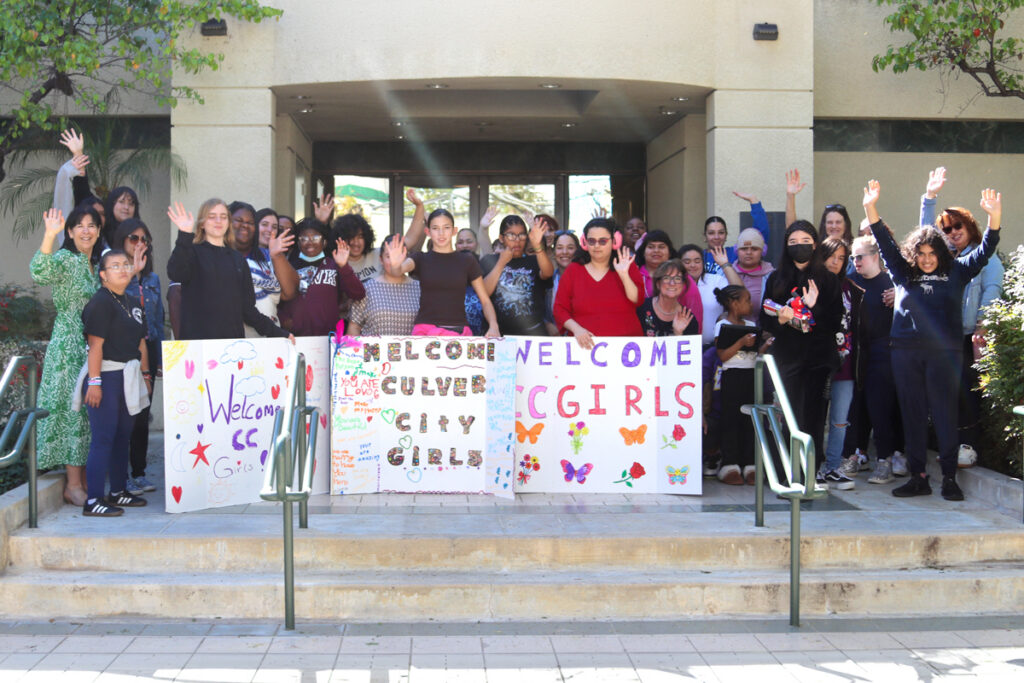
Today marked a meaningful milestone at Help Group’s Bridgeport School.
For the first time, the girls from Bridgeport Culver City boarded a school bus and traveled across town to meet the girls from Bridgeport Sherman Oaks. The day was led by Sue Anne Kaples, Director of Alternate Curriculum Schools at Help Group, who brought the cross-campus visit to life. What began as a simple visit quickly became something much bigger: the start of a shared community.
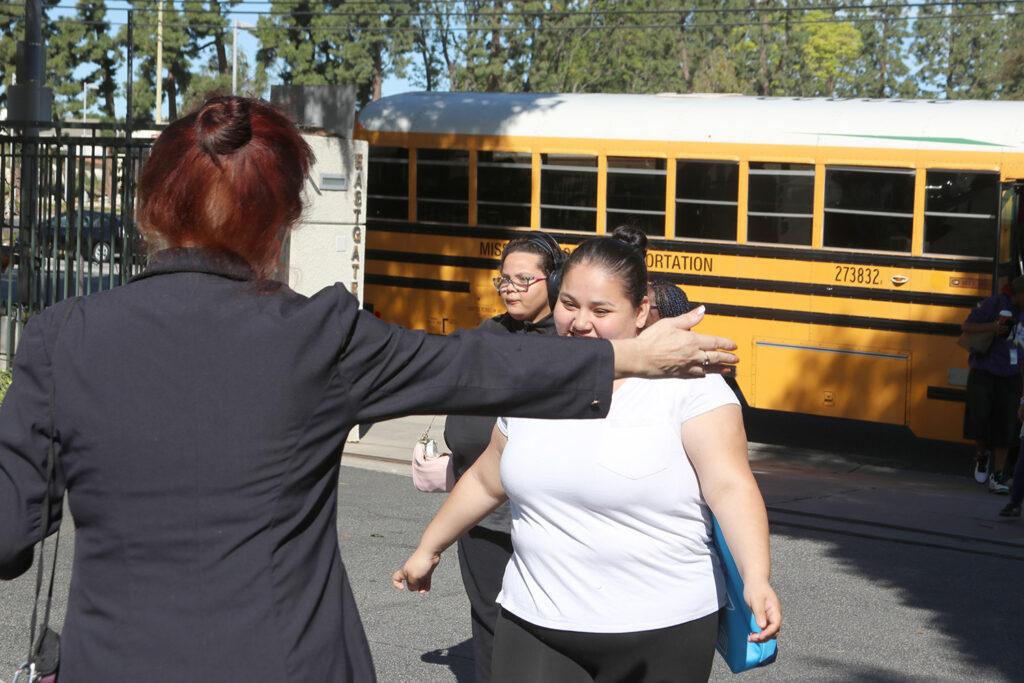
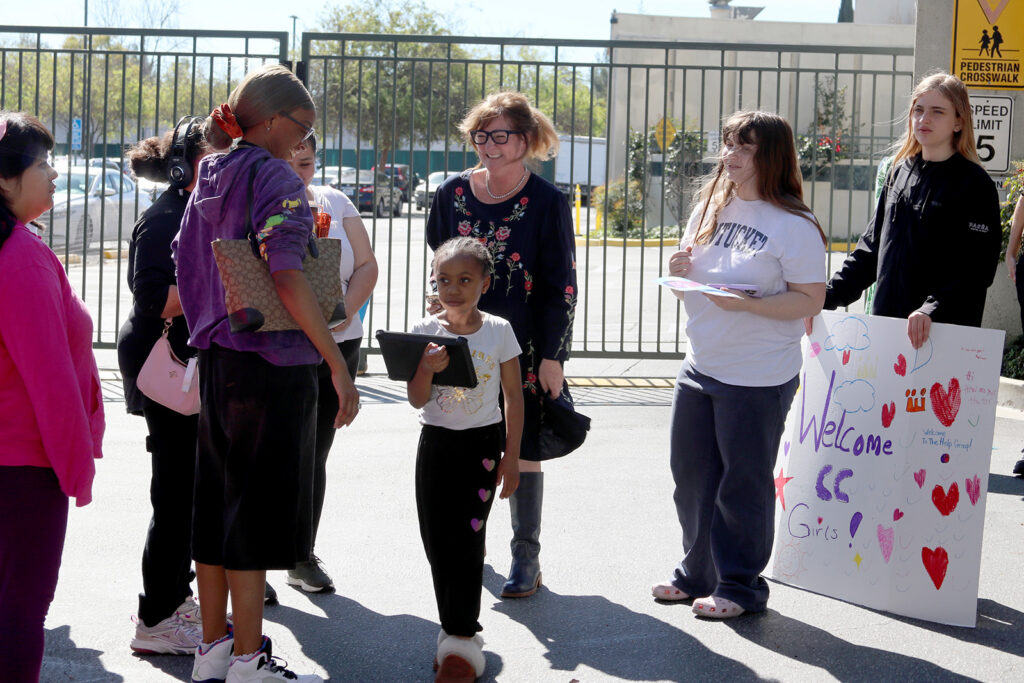
“As I watched our girls step off the bus, my heart was bursting,” said Dr. Susan Berman, Help Group CEO. “These girls deserve to feel seen, celebrated, and connected. Our commitment to intentionally create spaces where neurodiverse girls can come together, build lasting relationships, and develop the social-emotional foundation that helps them thrive is foundational.”
Bridgeport serves neurodiverse students — including those with autism, ADHD, learning differences, anxiety, and other social-emotional needs. While neurodiversity is increasingly recognized and celebrated, girls are still often under-identified and underserved.
Autism, for example, is currently diagnosed in approximately 1 in 36 children in the United States. Historically, boys have been diagnosed at significantly higher rates — often 3 to 4 times more than girls — not necessarily because autism is less common in girls, but because it can present differently. Many neurodiverse girls mask their challenges, internalize stress, or go undiagnosed until later in life.
Similarly, girls with ADHD are more likely to present with inattentive traits rather than hyperactivity, which can lead to missed diagnoses and fewer early supports.
“Bringing young girls on the spectrum together in supportive spaces not only reduces isolation, but also helps them build authentic connections, develop self-understanding, and recognize that they are not alone in their experiences,” said Dr. Laurie Stephens, Senior Director of Autism and Clinical Programs at Help Group.
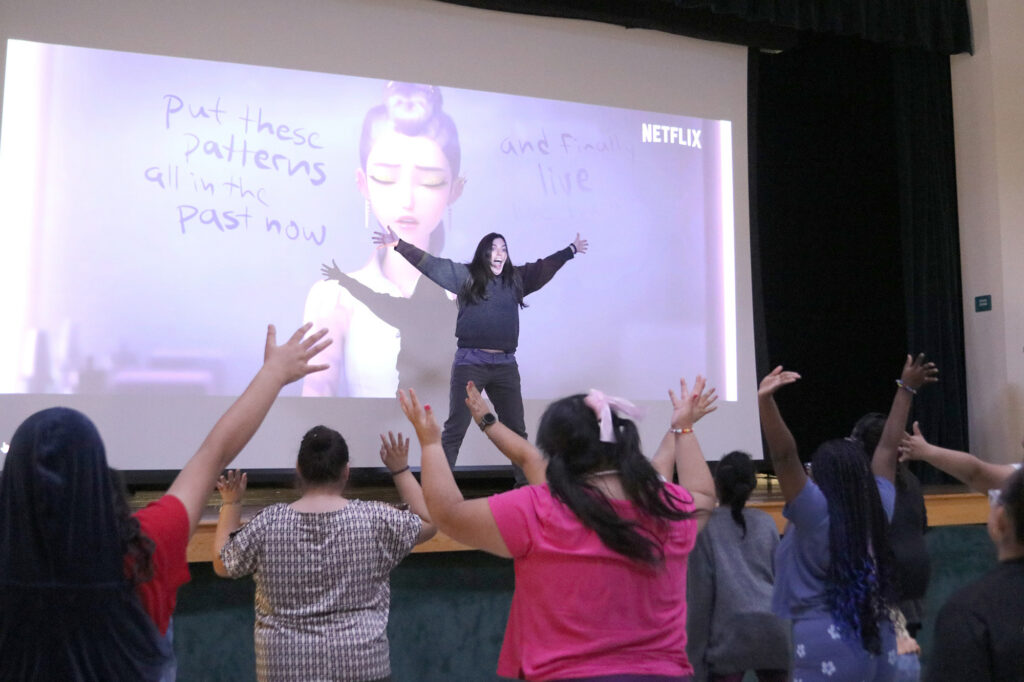
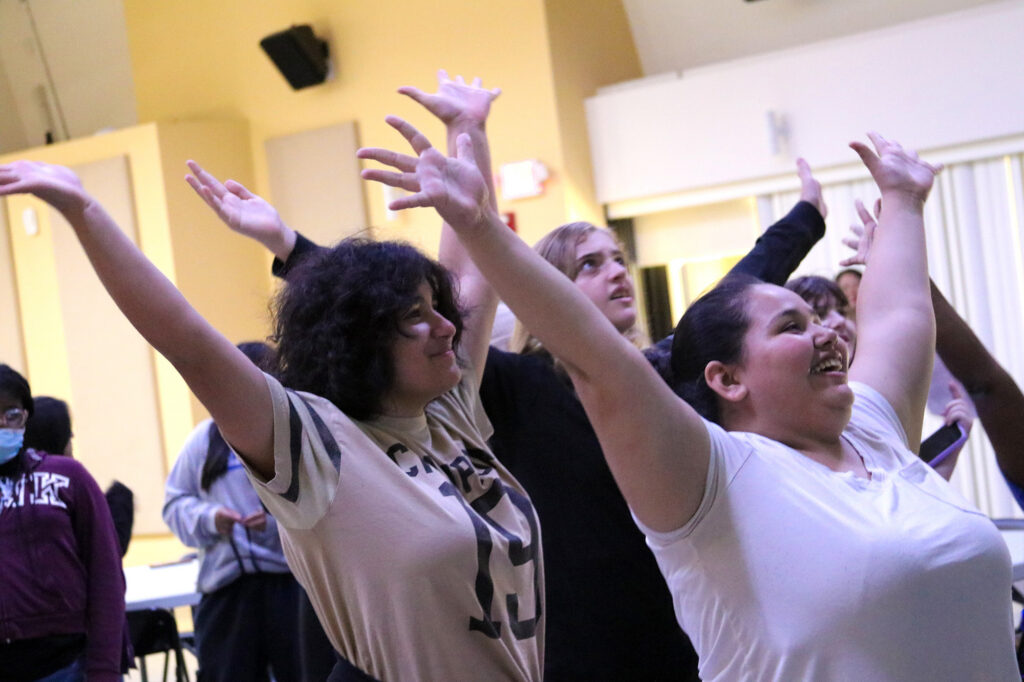
From Nervous Energy to Dance Party
When the Culver City girls arrived in Sherman Oaks, they were greeted by handmade welcome signs thoughtfully prepared by their peers. The care in those small details immediately set the tone: this was a space of warmth and belonging.
Any nervous energy quickly shifted to excitement as students moved into icebreaker activities. Within minutes, laughter filled the room. Conversations sparked. Shared interests emerged. And before long, the group was dancing together to K-pop Demon Hunters — a spontaneous moment that perfectly captured the joy of the day.
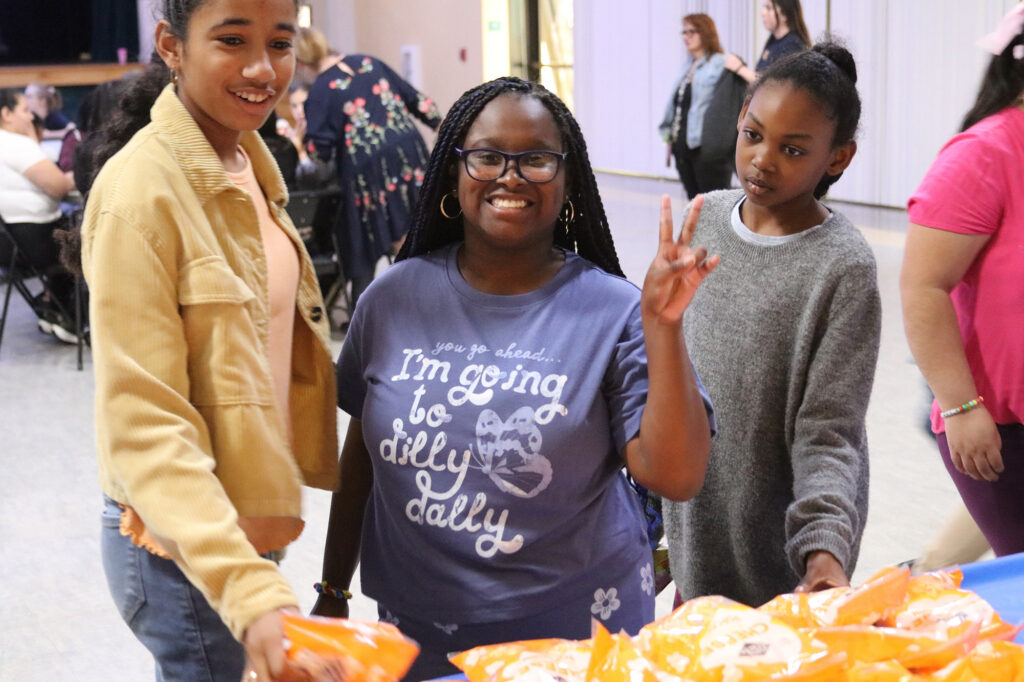
The visit wrapped up with a celebratory pizza party, giving everyone more time to relax, connect, and simply be kids together.
Why This Matters
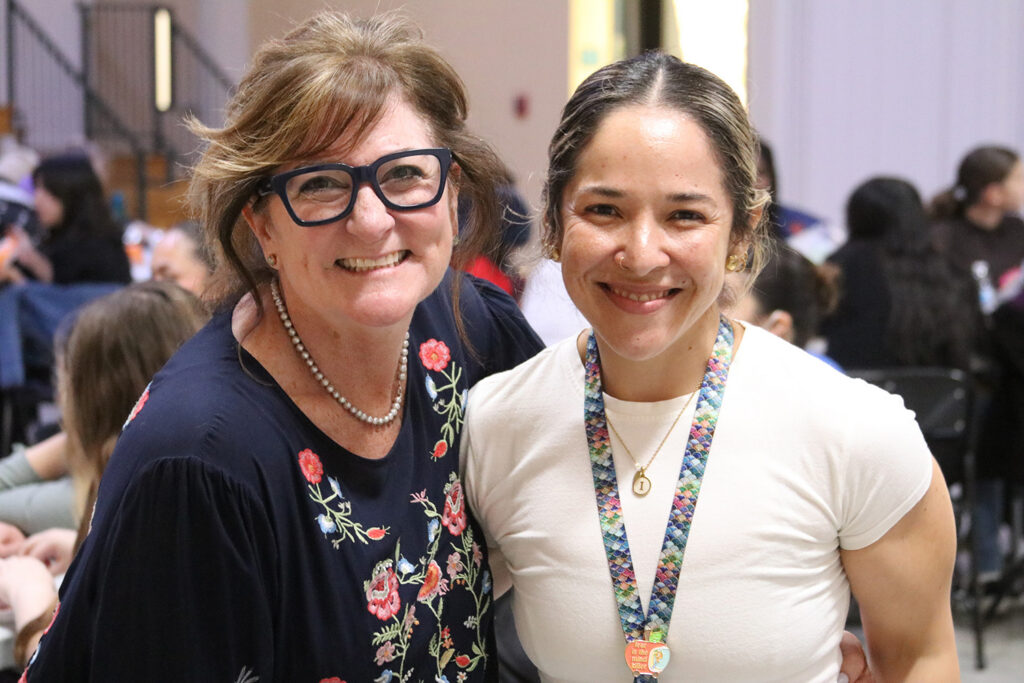
For neurodiverse girls, friendship can be complicated. Social expectations for girls are often layered and nuanced, and many neurodiverse students work incredibly hard to navigate them. Opportunities to build authentic connections — in environments designed to understand and support them — help reduce isolation and increase confidence.
Research consistently shows that strong peer relationships improve academic engagement, mental health outcomes, and self-advocacy skills. Moments like today don’t just create memories; they strengthen social development and emotional resilience.
What’s Next
The excitement doesn’t stop here. Next, the Sherman Oaks girls will travel to Culver City for a return visit. Looking ahead, the group hopes to eventually meet at a neutral, community-based location — continuing to expand their shared experience beyond campus walls.
“Moments like this remind us why we do this work,” said, Sue Anne Kaples. “When students feel safe enough to connect, to laugh, to dance together — that’s when help truly creates hope.”