
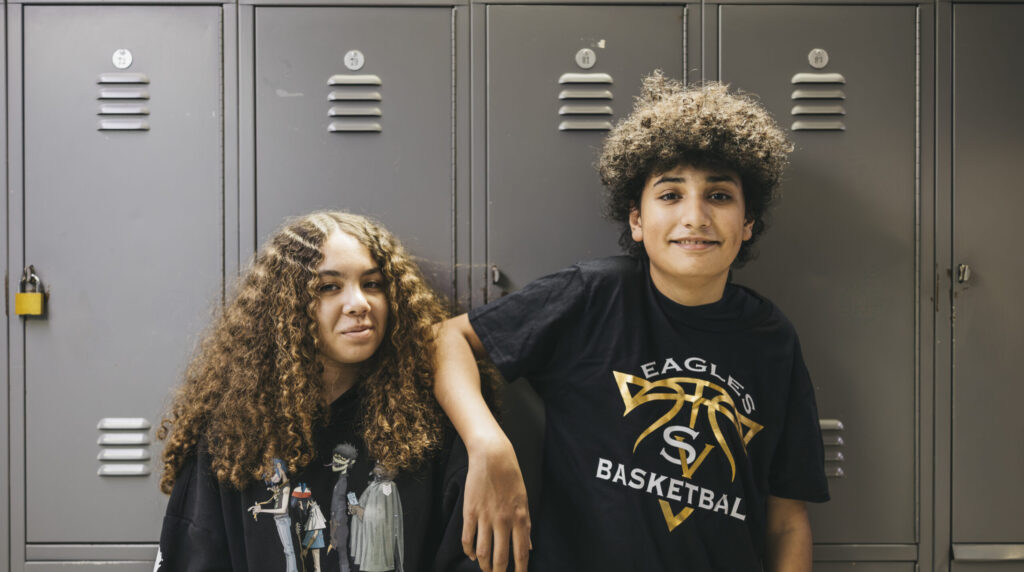

Returning to school after summer break can be difficult for neurodivergent children. New expectations and changes in routine may create uncertainty, but preparing in advance can make the transition feel more manageable.
Dr. Laurie Stephens, Senior Director of Autism and Clinical Programs at Help Group, shares 11 practical ways parents can help their children approach the school year with greater confidence.
1. Talk About School in Advance
Begin casual conversations about school well before the first day. Ask what your child is looking forward to and what concerns they may have. Honest answers can help make anxiety feel less overwhelming.
2. Visit the Campus
If possible, visit the school before classes begin. Walk by the classroom and locate important areas such as the playground or drop-off zone. Seeing the campus ahead of time can reduce uncertainty on the first morning.
3. Create a Visual Countdown
Use a calendar to show how many days remain before school starts. Your child can cross off each day or remove a note containing an encouraging message. This gives them a clear picture of when the change will happen.
4. Adjust Sleep Gradually
Move bedtime and wake-up time by 15 to 30 minutes every few days. A gradual adjustment is often easier than making a sudden change the night before school. Consistent sleep can support learning and emotional regulation.
5. Reduce Recreational Screen Time
If screen use increased during summer, begin scaling it back over one or two weeks. Replace some of that time with reading or another preferred activity. A gradual approach can make the return to a structured school day feel less abrupt.
6. Rehearse the Morning Routine
Schedule a few practice mornings before school begins. Have your child get ready and pack their backpack as if it were a regular school day. Rehearsal can make the routine feel more familiar when the first day arrives.
7. Practice School Skills at Home
Briefly reintroduce activities your child may encounter at school. School skills can also be incorporated into daily life by counting items while preparing food or drawing shapes during play. Keep practice relaxed and suited to your child’s abilities.
8. Restore Predictable Home Routines
Begin returning to regular schedules for meals and bedtime as the school year approaches. When possible, let your child make choices within the routine. For example, write down what needs to be completed and allow them to decide the order.
9. Plan for Regulation Needs
Consider which tools or strategies help your child regulate during demanding situations. Share this information with teachers before school begins. Some parents prepare a short profile explaining their child’s strengths and communication preferences, along with approaches that help when they feel overwhelmed.
10. Allow Time to Adjust
Your child may be more tired or emotional during the first weeks of school. Offer additional downtime and respond with patience. Rather than expecting an immediate adjustment, recognize the progress your child makes as they settle into the new routine.
11. Consider Sensory Needs While Shopping
Comfort can be just as important as the school supply list. Invite your child to help choose clothing and accessories that feel comfortable to them.
Some children prefer long sleeves in warm weather because the coverage feels calming. Others may feel better in tagless clothing or soft fabrics. When health and safety allow, respecting these preferences may reduce sensory discomfort and help your child focus at school.
Every neurodivergent child experiences the back-to-school transition differently. The goal is not to remove every source of stress. It is to give your child a clearer sense of what to expect and remind them that support is available throughout the transition.
To learn more about Help Group’s schools and services for children and families, visit helpgroup.org.

 October 16, 2026
 Skirball Cultural Center